
Competency-Based Education
Competency-Based Education Overview
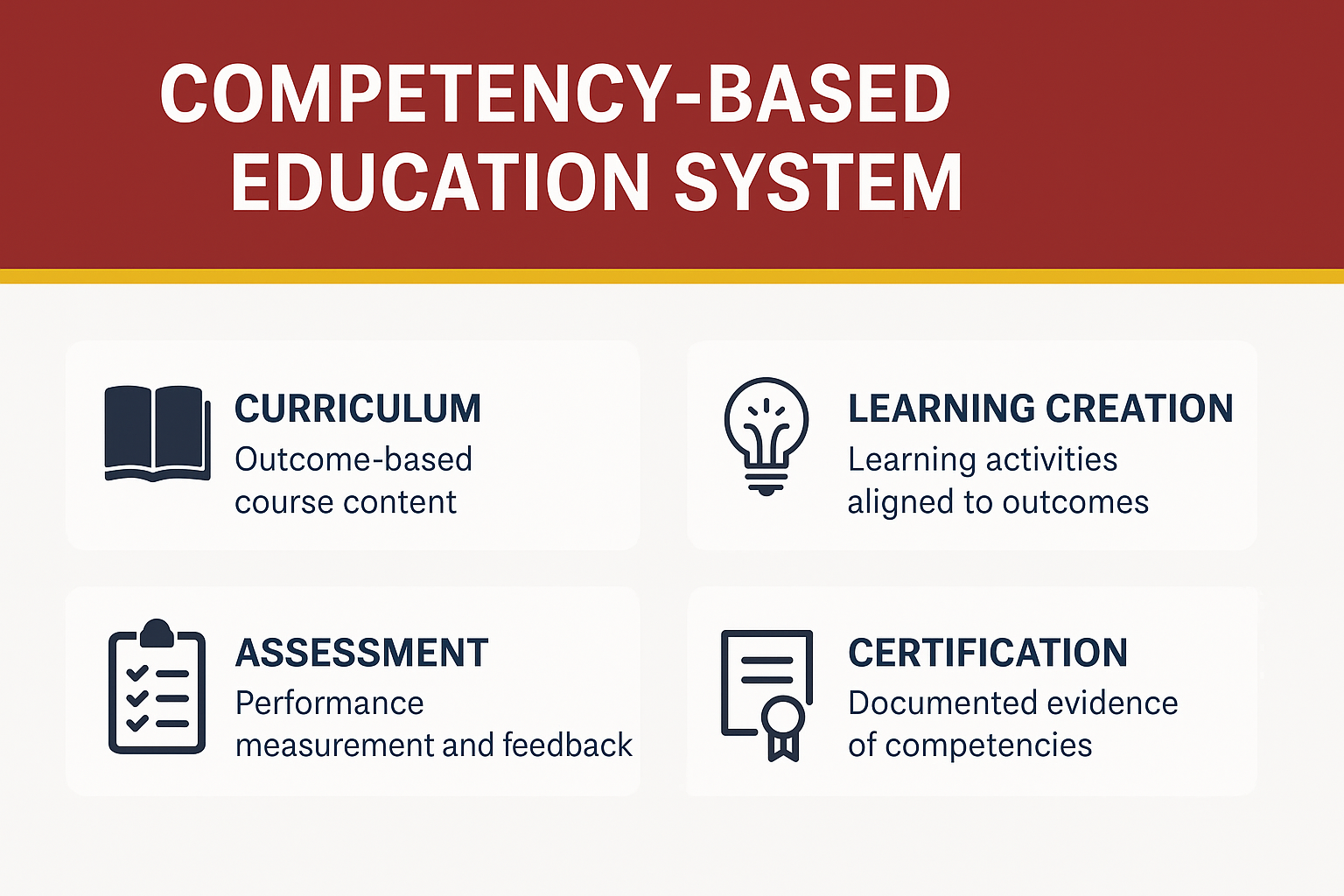
Competency-Based Education (CBE) in Kenya emphasizes the mastery of skills, knowledge, and values rather than rote memorization. It focuses on what learners can do with what they know, encouraging practical application, creativity, and critical thinking. Through its learner-centered approach, CBE nurtures individual talents, promotes problem-solving, and equips students with competencies that prepare them for life, work, and global citizenship.
At its core, CBE is structured around clear learning outcomes that guide both teaching and assessment. It recognizes that students learn at different paces and allows them to demonstrate achievement in various ways, ensuring inclusivity and equity. By integrating academic learning with practical skills, values, and social development, CBE aligns education with Kenya's Vision 2030 and global educational goals. This approach empowers learners to become innovative, adaptable, and responsible citizens ready to thrive in an ever-changing world.
CBE Pillars

STEM
STEM focuses on Science, Technology, Engineering, and Mathematics, equipping learners with problem-solving skills, innovation, and critical thinking for the modern world.

Vocational Skills
Vocational skills provide hands-on training in practical fields such as home economics, agriculture, and technical trades, preparing students for self-reliance and future careers.
Arts
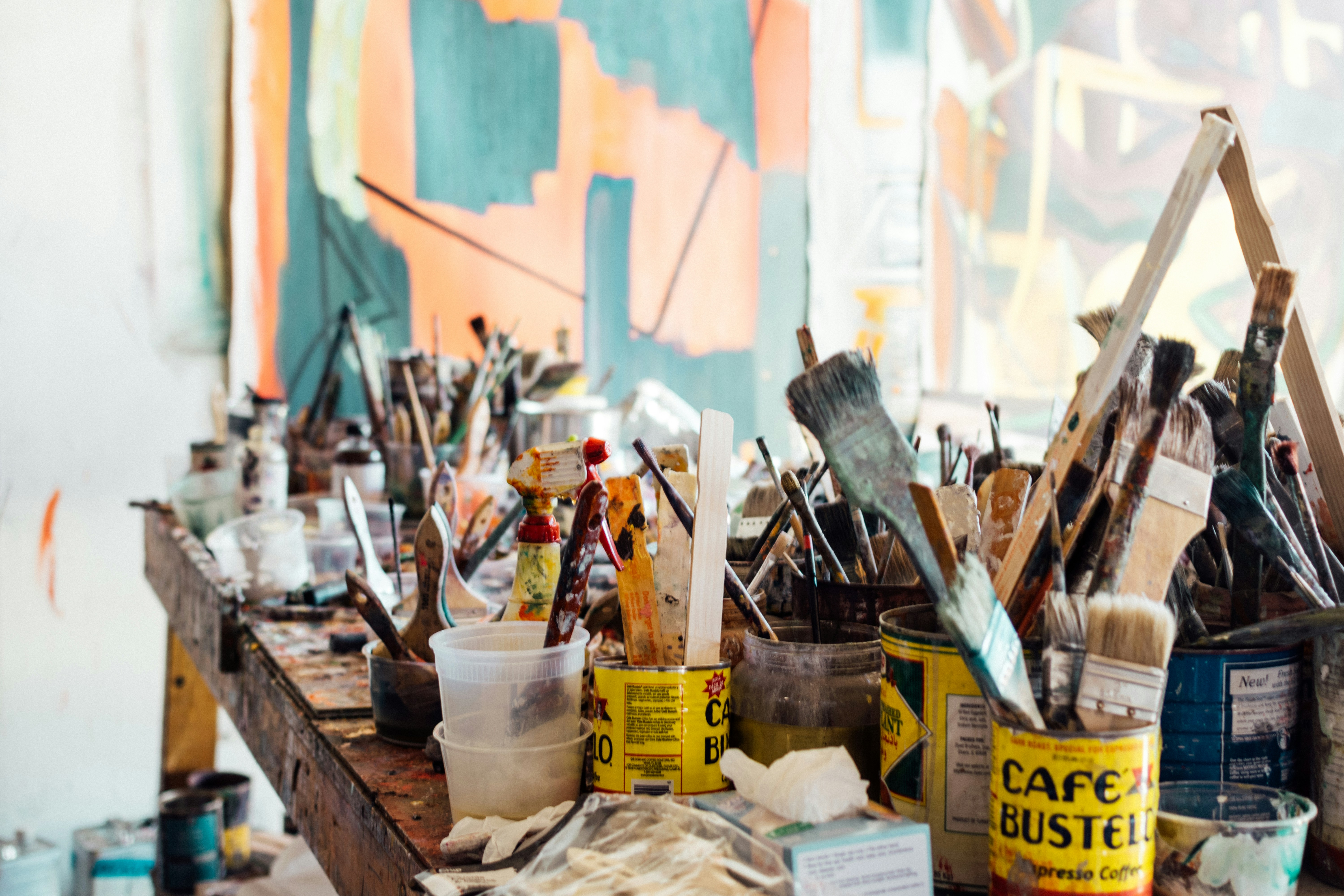
The Arts nurture creativity and expression through visual, performing, literary, and craft disciplines, allowing learners to develop talent and cultural appreciation.

Sports
Sports encourage physical fitness, teamwork, and resilience, with opportunities in team games, athletics, and traditional activities that promote holistic growth.
STEM
Science
Science helps students explore the natural world through subjects like Biology, Chemistry, and Physics. They learn how living things function, how matter changes, and how forces shape the universe. This builds curiosity, analytical thinking, and problem-solving skills.
Technology
Technology equips learners with ICT and digital literacy skills, including coding and computer use. Students understand how to use technology to solve problems, create tools, and innovate in a fast-changing digital society.
Engineering
Engineering focuses on applying scientific and technological knowledge to design, build, and improve systems and machines. Learners engage in activities like robotics, creating simple machines, and solving practical challenges. This nurtures innovation, creativity, and design thinking.
Mathematics
Mathematics is the language of logic and precision. Students practice algebra, geometry, and financial literacy, learning how to calculate, measure, and interpret data. Math strengthens reasoning skills and supports success in all other STEM areas.

Vocational Skills
Home Economics
Learners gain essential life skills in cooking, sewing, hygiene, and household management. These skills not only prepare them for self-reliance but also encourage responsibility, creativity, and healthy living.
Agriculture
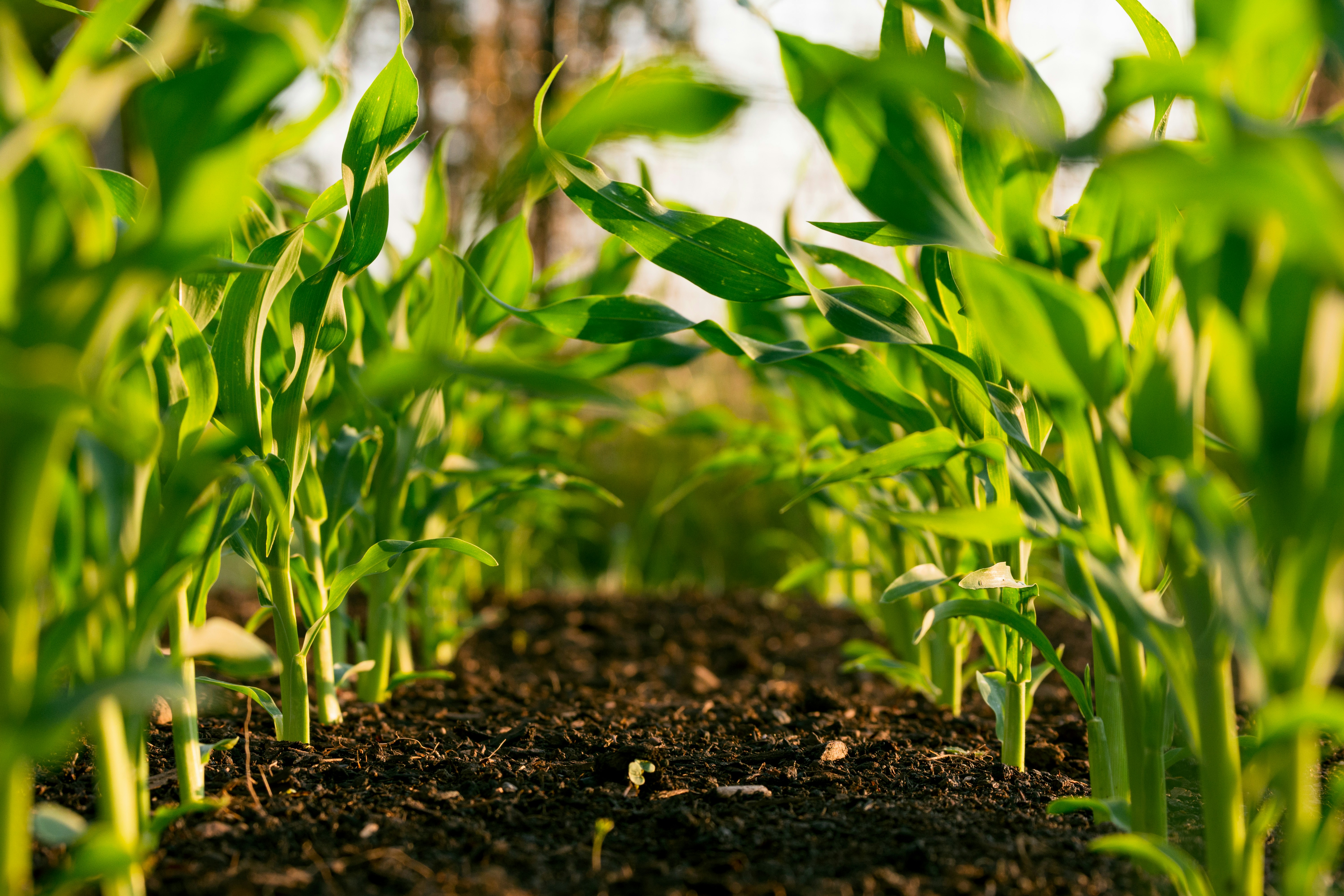
Students engage in farming, gardening, and animal husbandry to understand food production and environmental care. This hands-on learning builds appreciation for sustainability and provides practical knowledge for both home and community development.
Entrepreneurship
Through entrepreneurship, learners develop business skills, financial literacy, and innovative thinking. They learn how to identify opportunities, manage resources, and build resilience, preparing them to create or manage future enterprises.
Technical Skills
Practical training in carpentry, plumbing, electronics, and other trades equips learners with problem-solving abilities and hands-on expertise. These skills foster confidence and open pathways for employment or self-employment in technical fields.
Arts
Visual Arts
Learners explore creativity through drawing, painting, and sculpture. These activities encourage imagination, observation, and design skills while helping students express their thoughts and emotions visually.
Performing Arts
Through music, drama, and dance, students build confidence, communication skills, and teamwork. Performing arts also foster cultural appreciation and provide opportunities to showcase talent at school and national events.
Crafts
Hands-on crafts like beadwork, weaving, and pottery teach patience, precision, and innovation. They also preserve cultural heritage while giving learners practical skills they can use for personal or entrepreneurial purposes.
Literary Arts
Poetry, storytelling, and creative writing encourage self-expression, language mastery, and critical thinking. These activities help students develop communication skills while nurturing creativity and a love for literature.

Sports
Team Sports
Games like football, basketball, and volleyball teach collaboration, discipline, and leadership. Learners develop teamwork and communication skills while building physical fitness.
Individual Sports
Activities such as athletics and swimming focus on personal endurance, goal-setting, and self-motivation. They help learners discover their strengths and build resilience.
Fitness
Aerobics, yoga, and obstacle courses promote overall health, flexibility, and mental well-being. These activities encourage learners to adopt lifelong habits of exercise and wellness.
Traditional Games
Games such as tug-of-war and indigenous sports preserve cultural heritage while providing fun, inclusion, and a sense of community. They also strengthen problem-solving and social interaction.